
Floristry is a craft.
Not everyone is ready for it.
This programme is built for people who are serious about learning floral design from the ground up — not for those looking for a casual hobby pass. If you want structured knowledge, honest feedback, and skills that hold up in a professional setting, you are in the right place.
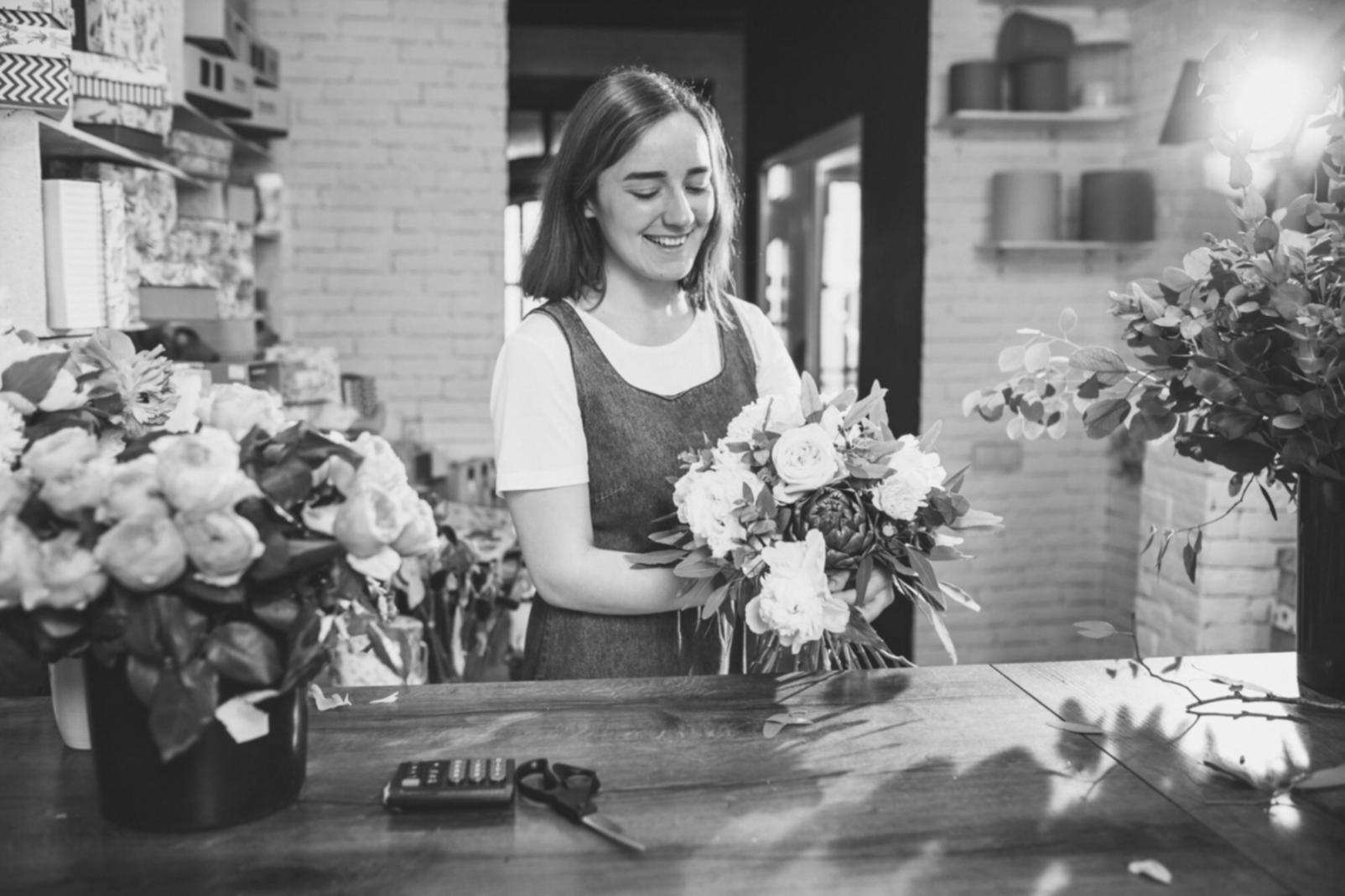
The people behind the content
Every module on this platform was built by practitioners with direct industry experience — people who have worked in wholesale flower markets, managed studio production for events, and taught apprentices in real workshop settings. Their backgrounds shape what gets taught and how.
Liezel Fourie
Lead Instructor — Floral Design
Fourteen years in commercial floristry across Gauteng. Designed wedding and corporate installations for over 300 events. Wrote the core curriculum modules on colour theory and seasonal composition.
Andile Dlamuka
Plant Knowledge & Botany
Horticultural background with nine years in plant identification and post-harvest handling. Responsible for the plant science modules and the species recognition quiz sequences.
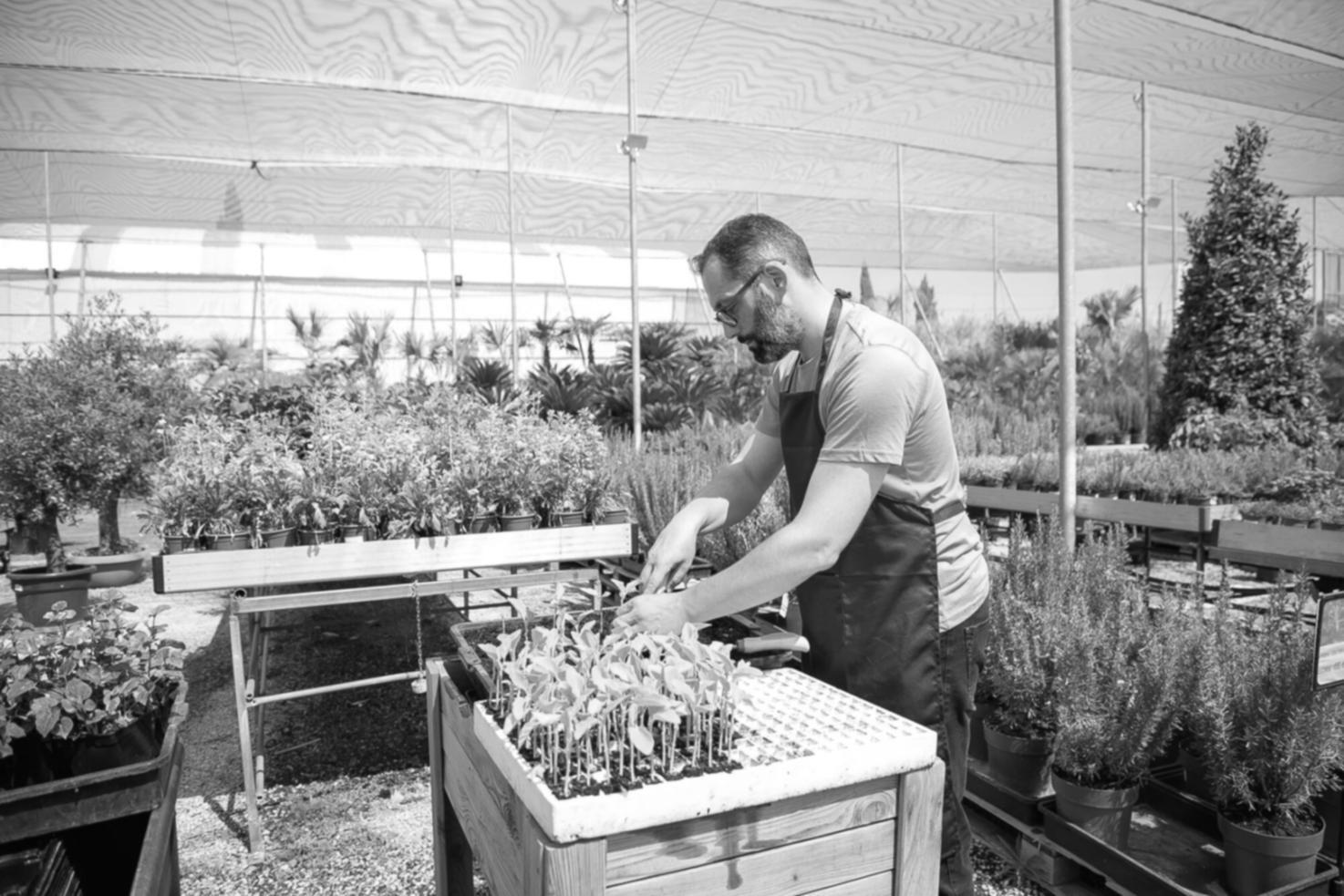
Numbers that describe the scope of what has been built here — without asking you to take them on faith.
Years of operation
Running since 2015, the platform has been refined through real learner feedback across multiple cohorts.
Core learning modules
Each module covers a distinct skill area — from plant anatomy to arrangement mechanics and client brief interpretation.
Provinces represented
Learners join from across South Africa. The platform is built to work equally well whether you are in Cape Town or Limpopo.
Practical assignments
Assignments are graded against real professional criteria, not multiple choice only — you submit work and receive specific written feedback.
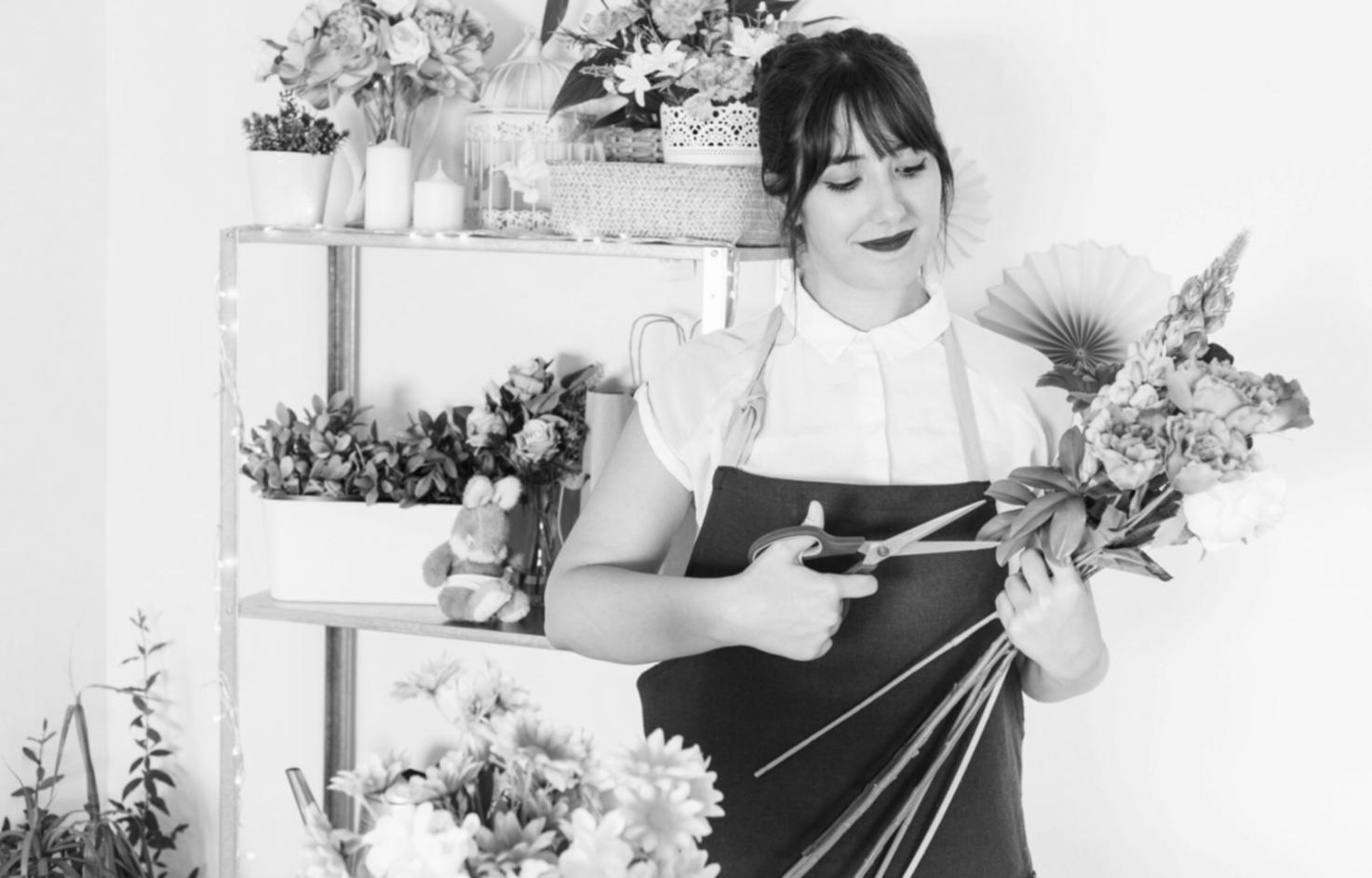
Who else is in the room with you
The learners here are not beginners in the vague sense. Most arrive with some context — a background in retail, event coordination, gardening, or visual arts — and they bring that perspective into every discussion thread and peer review. That mix makes the learning environment more demanding and more useful than a solo course would be.
Peer assignments are reviewed by other learners before instructor feedback is given. This creates a layer of accountability that mirrors how professional critique actually works in studios and production teams. You learn to receive and give structured feedback, not just to complete tasks.
What stays useful after the last module
Floristry knowledge does not expire the way software skills do. The principles of proportion, colour balance, plant conditioning, and client communication remain relevant whether you work independently or within a larger studio. What you build here is a foundation, not a certificate to file away.
-
Plant identification and seasonal availability knowledge — directly applicable when sourcing from markets or wholesalers.
-
Design vocabulary that lets you communicate clearly with clients, photographers, and venue coordinators.
-
A portfolio of completed assignments that shows real work, not just a completion badge.
-
Access to the learner network, which continues to be a source of referrals and collaboration for many graduates.

Specific accounts from people who completed the programme

"Before I started, I was arranging flowers by instinct and making mistakes I could not name. After the colour and proportion modules, I could actually diagnose what was wrong with an arrangement — and that changed how fast I improved. I now take on small wedding commissions. It took about eight months of consistent work after finishing the course before I felt ready to charge for it."
Priya Naidoo
Completed 2022 — Durban, KwaZulu-Natal
"The peer review process was uncomfortable at first. Having another learner point out that my foam mechanics were inconsistent felt harsh. But that feedback was more useful than any general tip I had read online. The instructor follow-up after each review gave me something specific to fix, not just encouragement."
Gerrit van Wyk
Completed 2023 — Bloemfontein, Free State
"I did not expect the plant science section to matter as much as it did. Knowing why a stem wilts under certain conditions changed how I handle stock entirely. I waste far less material now, which made a real difference when I started buying wholesale on my own budget."
Thandiwe Mokoena
Completed 2023 — Pretoria, Gauteng
What the experience actually feels like as it unfolds
This is not a linear march through slides. The shape of the learning changes as you move through it — early weeks feel exploratory and sometimes disorienting, middle weeks feel demanding, and later weeks feel like things are starting to connect. That arc is intentional.

Orientation and vocabulary
The first module introduces the language of floristry — not in a glossary sense, but through exercises that require you to describe and categorise what you are seeing. Most learners find this slower than expected. That is normal.
Hands-on assignments begin
From module two onward, you submit physical work — photographs of arrangements you have built, with written notes on your choices. The feedback loop here is where most of the real learning happens, not in the reading material.
Complexity increases deliberately
Mid-programme assignments introduce constraints — a limited palette, a specific structural form, a brief written by the instructor that mimics a real client request. These are harder than the earlier work by design.
Consolidation and independent work
The final phase asks you to develop a small body of work around a theme you choose. There is less instruction and more expectation. By this point, most learners have enough grounding to make decisions without constant guidance — though support remains available.